 Skip to content

This article discusses the integration of solar lighting systems with smart home networks, highlighting the benefits, technologies, and implementation steps. Solar lighting, traditionally autonomous, can now incorporate IoT connectivity via protocols like Zigbee, Z-Wave, or Wi-Fi, enabling remote control, automation, and energy optimization. Key technologies include smart controllers, sensors, and cloud platforms that manage battery life and communication. Benefits range from enhanced energy efficiency and convenience to improved security and proactive maintenance. Challenges such as power consumption and interoperability are addressed through low-power chipsets and standardization efforts. Hangchi New Energy Co., Ltd. (HANGCHI) exemplifies a manufacturer capable of supporting this integration with its 20,000-square-meter facility, 30-country project experience, and customizable OEM/ODM services. Their products, including all-in-one and split solar lights, can be fitted with various wireless modules and certified to CE, RoHS, and ISO 9001. The article emphasizes that with careful selection and setup, solar lighting becomes a seamless part of a smart home ecosystem, offering both environmental and practical advantages.
Introduction
Solar lighting systems have evolved from simple off-grid solutions to intelligent, connected devices that can seamlessly integrate with modern smart home networks. As renewable energy and home automation gain traction, the synergy between solar lighting and smart home technology offers homeowners unprecedented control, energy savings, and convenience. This article explores the technical and practical aspects of integrating solar lighting into smart home ecosystems, highlighting the role of innovative manufacturers like Hangchi New Energy Co., Ltd. (HANGCHI) in enabling this transformation. By leveraging advanced sensors, IoT connectivity, and energy management algorithms, solar lighting is no longer just a sustainable alternative but a core component of an intelligent home.
Understanding Solar Lighting Systems
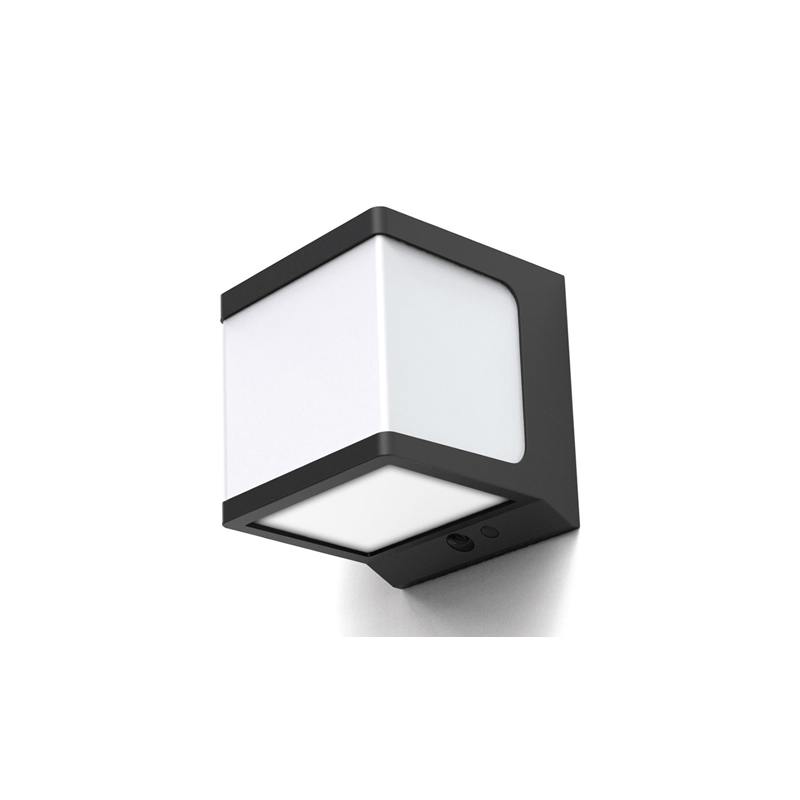
Solar lighting systems harness photovoltaic panels to convert sunlight into electrical energy, which is stored in batteries for nighttime use. They typically include a solar panel, battery, LED light fixture, charge controller, and sometimes a motion sensor or timer. Traditional solar lights operate autonomously, but modern versions incorporate communication modules that allow them to interact with other devices. HANGCHI, a professional solar lighting manufacturer established in 2018, specializes in reliable solar products for global B2B customers. Their portfolio includes all-in-one solar street lights, split-type solar street lights, solar flood lights, and garden lights, designed for municipal, residential, and commercial applications. With a 20,000-square-meter facility and monthly capacity of 20,000 units, HANGCHI ensures quality through strict controls and certifications like CE, RoHS, and ISO 9001. This manufacturing excellence provides a solid foundation for building smart-ready solar luminaires.
Smart Home Networks: An Overview
Smart home networks consist of interconnected devices that communicate via protocols such as Wi-Fi, Zigbee, Z-Wave, or Bluetooth. These networks enable centralized control through hubs, voice assistants, or smartphone apps. Typical components include smart lights, thermostats, locks, cameras, and sensors. The integration of solar lighting into such networks requires compatibility with these protocols and the ability to respond to commands or triggers. For instance, a solar garden light could be programmed to turn on when a smart door sensor detects movement, or dim based on ambient light readings from a weather station. The key is interoperability, which relies on standardized communication and intelligent controllers.
The Intersection: Integrating Solar Lighting with Smart Home Networks
Integration involves equipping solar lighting systems with smart controllers that support network connectivity. These controllers replace or augment the basic charge controller, adding features like Wi-Fi or Zigbee modules. Once connected, the solar lights become addressable nodes in the home network. They can be grouped with other smart devices, scheduled, automated, and monitored remotely. For example, a homeowner could use a smartphone app to adjust the brightness of solar pathway lights, receive alerts when battery levels are low, or set the lights to mimic occupancy while away.
Key Technologies Enabling Integration
Communication Protocols: Zigbee and Z-Wave are popular for low-power lighting devices because they create mesh networks that extend range. Wi-Fi is also common but consumes more power. Some solar lights use Bluetooth for direct pairing, but this limits range. HANGCHI’s intelligent controllers can be customized with various wireless modules to meet project requirements.
Sensors and Actuators: Integrated PIR motion sensors, daylight sensors, and temperature sensors allow the lighting to react to environmental changes. Smart solar lights can also include LEDs that change color or intensity based on weather conditions.
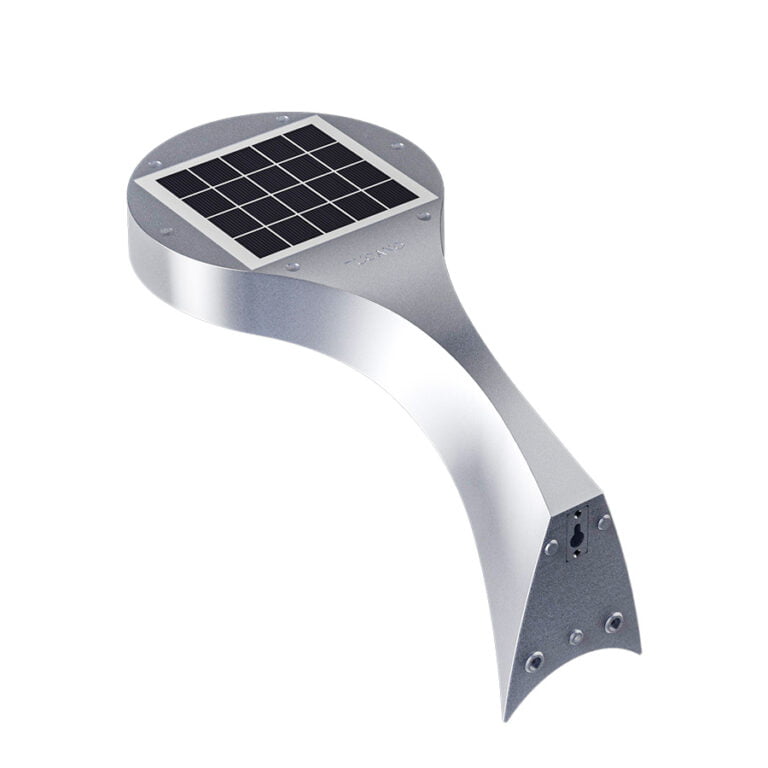
Energy Management: The smart controller must optimize battery usage to ensure sufficient power for lighting while maintaining enough reserve for communication. Advanced algorithms predict solar generation based on weather forecasts and adjust charging patterns accordingly.
Cloud Platforms: Many smart solar lighting systems connect to cloud services for remote access and data analytics. This enables firmware updates, usage reports, and integration with voice assistants like Amazon Alexa or Google Assistant.
Benefits of Integration
Energy Efficiency: Smart scheduling and adaptive brightness reduce unnecessary energy consumption. Lights can automatically dim when no motion is detected, maximizing battery life.
Convenience: Voice control and automation simplify daily routines. For example, solar lights can turn on at sunset and off at sunrise without manual intervention.
Enhanced Security: Integration with security cameras and alarms allows solar lights to trigger when suspicious activity is detected, deterring intruders.
Monitoring and Maintenance: Remote diagnostics alert users to battery degradation or panel soiling, enabling proactive maintenance. HANGCHI’s five-year warranty and quality control ensure long-term reliability.
Challenges and Considerations
Power Consumption: Wireless communication draws current from the battery. Engineers must balance connectivity with energy budget. HANGCHI addresses this by using low-power chipsets and efficient power management.
Interoperability: With multiple smart home standards (Matter, Zigbee, Z-Wave, Wi-Fi), choosing the right protocol is crucial. HANGCHI offers OEM/ODM services to customize communication modules for specific ecosystems.
Weather Resistance: Outdoor solar lights must withstand rain, dust, and extreme temperatures while housing sensitive electronics. HANGCHI’s IP65-rated enclosures and thorough testing ensure durability.
Installation Complexity: Integrating with existing smart home networks may require technical know-how. However, many systems support easy pairing via QR codes or NFC.
How HANGCHI Solar Lighting Facilitates Smart Integration
HANGCHI New Energy Co., Ltd. stands at the forefront of intelligent solar lighting. With a 20,000-square-meter factory and a monthly production capacity of 20,000 units, the company produces high-quality products that can be customized for smart home integration. Their all-in-one solar street lights, for instance, can be equipped with optional LoRaWAN or NB-IoT modules for long-range communication. The company’s engineering team works closely with clients to develop lighting configurations that suit local sunlight conditions and smart network requirements. HANGCHI’s products have been exported to more than 30 countries, including Europe, the Philippines, Africa, North America, and Australia, where they have been deployed in municipal and residential projects. Their commitment to quality—evidenced by CE, RoHS, and ISO 9001 certifications—ensures that integrated systems perform reliably. For B2B customers, HANGCHI offers flexible OEM/ODM services, allowing customization of controllers, sensors, and even the integration of third-party smart home protocols. This adaptability makes HANGCHI a trusted partner for contractors, distributors, and project developers seeking to incorporate solar lighting into smart home networks.
| Feature | HANGCHI Advantage |
|---|---|
| Manufacturing Capacity | 20,000 sqm facility, 20,000 units/month |
| Product Range | All-in-one, split street lights, flood, garden, wall lights |
| Customization | OEM/ODM for appearance, power, battery, control, branding |
| Smart Integration Options | Wi-Fi, Zigbee, Z-Wave, LoRaWAN, NB-IoT |
| Certifications | CE, RoHS, ISO 9001 |
| Warranty | 5 years or more |
| Global Experience | Projects in 30+ countries |
Implementation Steps
1. Assess Needs: Determine which outdoor areas require lighting and what smart features are desired (motion detection, voice control, etc.).
2. Select Compatible Products: Choose solar lights with built-in connectivity or integrate with smart plugs/hubs. HANGCHI’s team can recommend suitable models.
3. Set Up Smart Hub: If using Zigbee or Z-Wave, a hub like Samsung SmartThings or Hubitat is needed. For Wi-Fi, a strong router is sufficient.
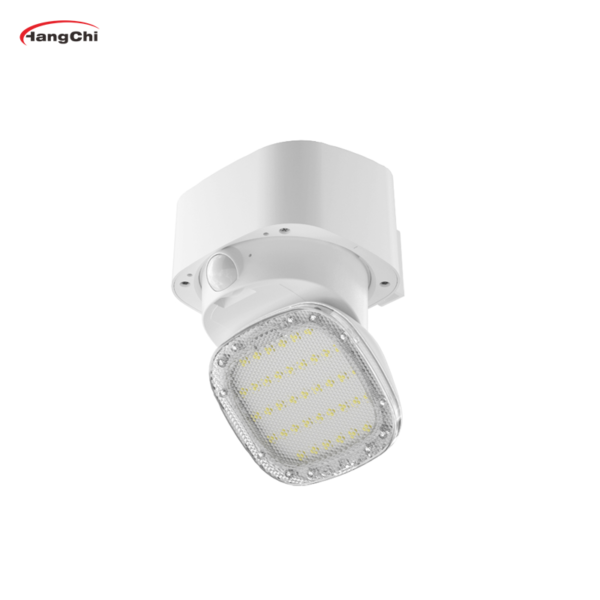
4. Install and Pair: Mount solar lights in optimal sun exposure, then pair them with the hub using the provided app.
5. Create Automations: Use the app to set schedules, link with other devices (e.g., turn on lights when door opens), and adjust brightness.
6. Monitor and Maintain: Regularly check battery status and clean panels. HANGCHI’s quality control minimizes issues.
Future Trends
The integration of solar lighting with smart home networks is poised for growth. Advances in battery technology (lithium iron phosphate) and energy harvesting will extend battery life. The emergence of the Matter standard promises to unify protocols, simplifying interoperability. Artificial intelligence will enable predictive lighting based on historical patterns and weather forecasts. Additionally, solar lights will increasingly serve as nodes for environmental monitoring, collecting data on temperature, humidity, and air quality. HANGCHI is investing in intelligent solar lighting technology to meet these trends, reinforcing its commitment to innovation.
Conclusion
Integrating solar lighting systems with smart home networks transforms outdoor illumination into an interactive, energy-saving asset. By combining renewable energy with intelligent control, homeowners gain convenience, security, and sustainability. Manufacturers like Hangchi New Energy Co., Ltd. provide the essential building blocks—reliable, customizable solar lights that can be tailored for smart integration. With over 20,000 square meters of production space, a monthly output of 20,000 units, and experience across 30 countries, HANGCHI exemplifies the quality and flexibility needed to succeed in this evolving market. As smart home adoption grows, solar lighting will become an integral part of the connected home ecosystem, illuminating paths toward a greener, smarter future.
