

Solar LED light suppliers ensure product quality and consistency through comprehensive manufacturing and quality control systems. Hangchi New Energy Co., Ltd. (HANGCHI) exemplifies best practices with a 20,000-square-meter facility, monthly capacity of 20,000 units, and strict quality checks from raw material inspection to final shipment. Testing includes waterproof, aging, and performance evaluations. Certifications such as CE, RoHS, and ISO 9001 validate adherence to international standards. Long warranties of five years or more reflect confidence in product durability. International project experience across 30+ countries enables adaptation to diverse climates and technical requirements. Flexible OEM/ODM services maintain quality through customized solutions. Continuous innovation and responsive after-sales support further enhance reliability. These measures help distributors, contractors, and project developers minimize risks and ensure consistent, long-lasting solar lighting performance.
In the rapidly growing solar lighting industry, ensuring product quality and consistency is paramount for suppliers who aim to build trust and long-term relationships with distributors, contractors, and project developers worldwide. A reliable solar LED light must withstand harsh outdoor conditions, deliver stable illumination over years, and operate efficiently with minimal maintenance. This article delves into the comprehensive strategies employed by professional solar lighting manufacturers, such as Hangchi New Energy Co., Ltd. (abbreviated as HANGCHI), to maintain high standards from raw material sourcing to final shipment.
1. Strong Manufacturing Foundation
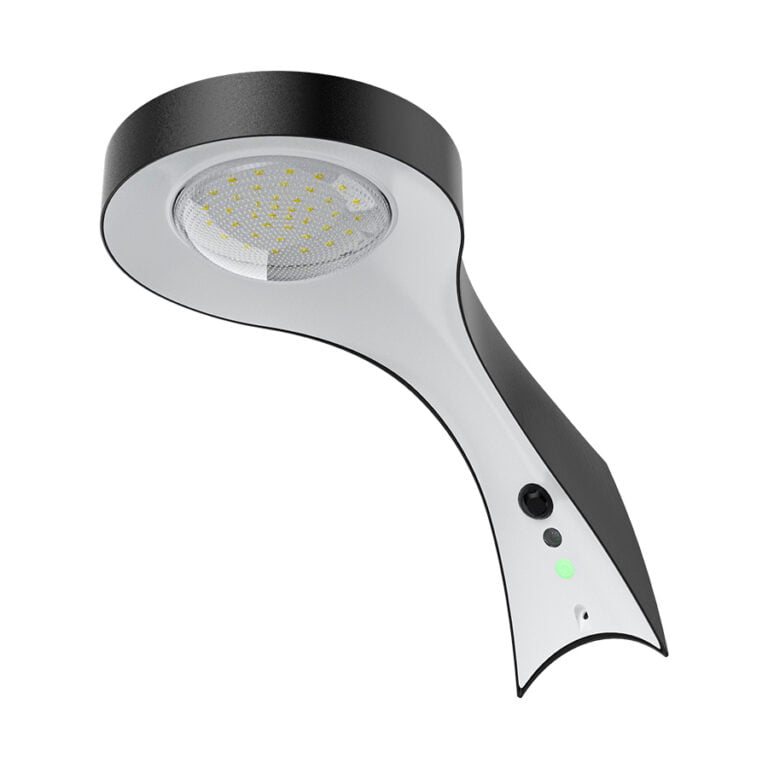
Quality begins with a robust production infrastructure. HANGCHI, established in 2018, operates a 20,000-square-meter manufacturing facility with a monthly production capacity of up to 20,000 units. This scale allows the company to support both regular wholesale orders and large-scale customized projects while maintaining stable quality and efficient delivery. The facility houses experienced teams in research and development, engineering, production, quality control, international sales, and after-sales service, ensuring every aspect of production is overseen by specialists.
1.1 Facility and Capacity
A large, well-organized factory enables consistent process control. HANGCHI’s size and capacity mean they can handle volume without compromising on quality checks. The company’s production lines are structured to minimize variation, with clear standard operating procedures for each step.
2. Rigorous Quality Control System
Quality control is applied throughout the entire production cycle. HANGCHI maintains strict inspection protocols covering raw materials, production, assembly, waterproof testing, aging testing, performance testing, packaging, and shipment. This multi-stage approach ensures that defects are caught early and that every product leaving the factory meets specified standards.
2.1 Raw Material Inspection
All incoming components—solar panels, batteries, LEDs, controllers, housings, and wiring—are inspected for compliance with specifications. For instance, solar panels are tested for efficiency and durability, batteries for capacity and cycle life, and LEDs for lumen output and color temperature consistency. Only approved materials proceed to production.
2.2 In-Process Quality Checks
During assembly, workers and quality inspectors perform checks at critical stages. Soldering joints are inspected, wiring is verified, and components are tested for proper integration. This reduces the risk of assembly errors and ensures that the final product is built correctly.
2.3 Waterproof Testing
Since solar lights are exposed to rain, humidity, and dust, waterproof integrity is crucial. HANGCHI conducts waterproof tests on each unit, typically using IP65 or higher ratings, to ensure seals are effective and electronics are protected. This testing helps prevent early failure due to water ingress.
2.4 Aging and Performance Testing
To simulate real-world conditions, lights undergo aging tests where they are operated continuously for extended periods. This identifies any premature failures in LEDs, batteries, or controllers. Performance testing measures charging efficiency, lighting duration, brightness levels, and automatic switching functions. Only products passing these rigorous tests are approved for packaging.
3. Certifications and Standards Compliance
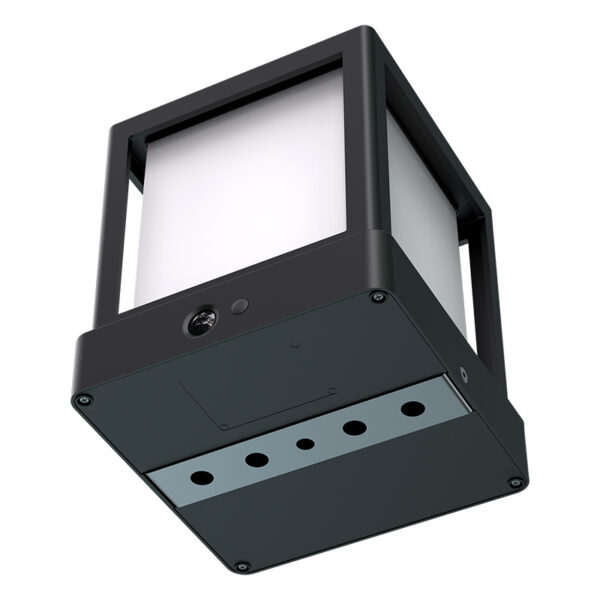
International certifications are a testament to a supplier’s commitment to quality. HANGCHI has obtained CE, RoHS, and ISO 9001 certifications. CE indicates conformity with European health, safety, and environmental standards; RoHS restricts hazardous substances; and ISO 9001 ensures a quality management system is in place. These certifications provide customers with confidence that products meet global requirements.
4. Warranty and Long-Term Reliability
Warranty terms reflect a manufacturer’s confidence in their products. Depending on the product model and project agreement, HANGCHI provides warranties of five years or more. This long warranty period helps customers reduce maintenance costs and protect their long-term investment. It also incentivizes the supplier to use high-quality components and robust designs.
5. International Project Experience
Experience across diverse climates and technical standards sharpens a supplier’s ability to deliver consistent quality. HANGCHI products are exported to more than 30 countries and regions, including Europe, the Philippines, Africa, North America, and Australia. This international exposure enables the company to understand different environmental conditions (high temperatures, heavy rainfall, coastal salinity), technical norms, purchasing processes, and customer expectations. Consequently, they can adapt designs and quality checks to suit specific markets, reducing the risk of field failures.
5.1 Adapting to Local Conditions
For example, in regions with limited sunlight, HANGCHI’s engineering team can recommend higher battery capacity or more efficient solar panels. In coastal areas, corrosion-resistant materials are used. This customization extends to quality control, where specific tests (e.g., salt spray testing) are added as needed.

6. Flexible OEM and ODM Services
Customization adds complexity but HANGCHI maintains quality by applying the same rigorous controls to customized products. Customers can choose appearance, lighting power, battery capacity, solar panel specifications, control functions, logos, and packaging. The engineering team works closely to ensure that custom configurations still meet performance and durability targets.
7. Continuous Improvement and Innovation
Quality is not static. HANGCHI invests in product innovation, intelligent solar lighting technology, and production efficiency. By staying updated with the latest LED drivers, battery chemistries (e.g., LiFePO4), and smart control systems, they can improve reliability and energy management. Regular training for staff on new processes and equipment ensures that quality standards evolve with technology.
8. After-Sales Support and Communication
Consistency also depends on responsive service. HANGCHI provides technical support during product selection, installation guidance, and after-sales communication. Transparent communication about order status, potential delays, and technical issues helps partners manage their own supply chains effectively. This reduces the risk of dissatisfaction due to misunderstandings.
9. Summary of Key Practices
To ensure product quality and consistency, solar LED suppliers like HANGCHI implement multiple layers of control: large-scale manufacturing with standardized processes, comprehensive testing at every stage, adherence to international certifications, long warranties, global experience, and continuous improvement. Distributors, contractors, and project developers can rely on such suppliers to deliver products that perform consistently over time, even in demanding environments.
Conclusion
In a competitive market, quality is the differentiator. By choosing a manufacturer that prioritizes quality control from raw materials to final shipment, customers mitigate risks and ensure the success of their solar lighting projects. HANGCHI exemplifies this commitment through its 20,000-square-meter factory, monthly capacity of 20,000 units, CE/RoHS/ISO 9001 certifications, five-year warranties, and exports to over 30 countries. For any B2B partner seeking reliable solar lighting solutions, understanding these quality assurance practices is essential.