 Skip to content


Corporate sustainability goals increasingly require tangible actions to reduce environmental impact. Commercial solar lighting offers a direct solution by replacing grid-connected lights with solar-powered LEDs that cut carbon emissions, lower energy costs, and enhance resilience. Manufacturers like Hangchi New Energy Co., Ltd. (HANGCHI) provide high-quality, customizable products with international certifications and long warranties. HANGCHI’s 20,000-square-meter facility and monthly capacity of 20,000 units ensure reliable supply for global projects. Flexible OEM/ODM services allow customers to tailor lighting power, battery capacity, and design to specific needs. Proven in over 30 countries, HANGCHI’s solar lights support sustainability through reduced energy consumption and minimal environmental disruption. By adopting commercial solar lighting, companies can make measurable progress toward net-zero emissions, energy efficiency, and renewable energy goals while benefiting from long-term cost savings and enhanced brand reputation.
In today’s business landscape, sustainability is no longer an option but a necessity. Companies across industries are setting ambitious environmental, social, and governance (ESG) targets, seeking to reduce carbon footprints, lower energy consumption, and enhance community impact. One often-overlooked yet highly effective solution is commercial solar lighting. These innovative systems not only illuminate outdoor spaces but also align directly with corporate sustainability goals. By harnessing renewable energy, solar lights help businesses cut emissions, reduce operational costs, and demonstrate environmental stewardship.
The Growing Importance of Sustainability in Business
Corporate sustainability goals typically focus on reducing greenhouse gas emissions, improving energy efficiency, promoting renewable energy use, and minimizing waste. For many companies, outdoor lighting—such as parking lots, walkways, security perimeters, and signage—represents a significant and continuous energy expense. Traditional grid-connected lights consume electricity generated from fossil fuels, contributing to Scope 2 emissions. Transitioning to solar-powered alternatives eliminates this energy draw, directly supporting emissions reduction targets.
Furthermore, sustainable practices enhance brand reputation, attract environmentally conscious customers and investors, and often lead to long-term cost savings. Commercial solar lighting offers a practical, visible way for companies to operationalize their sustainability commitments.
How Solar Lighting Works for Commercial Applications
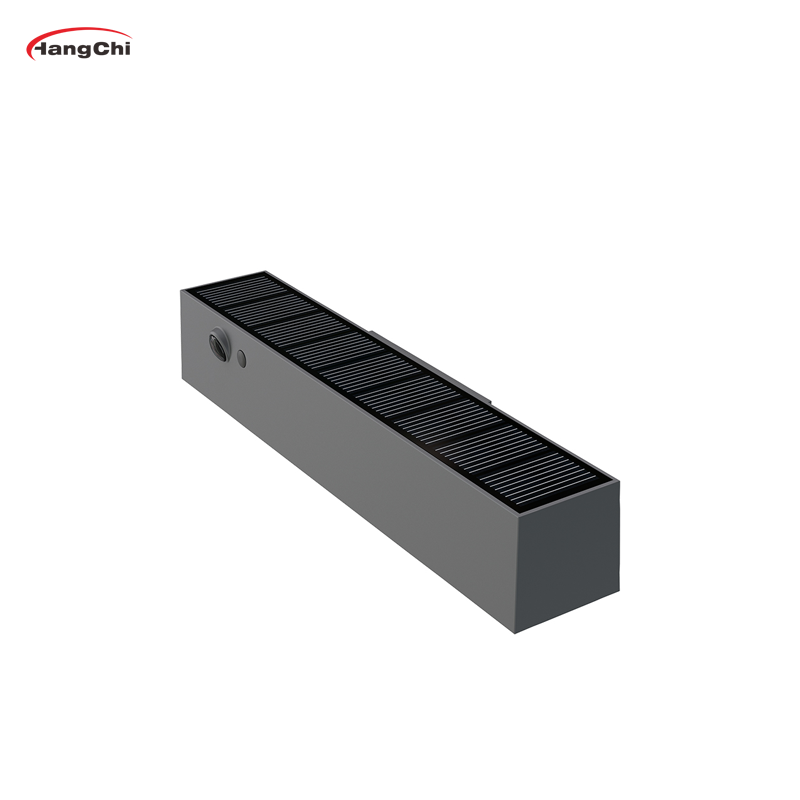
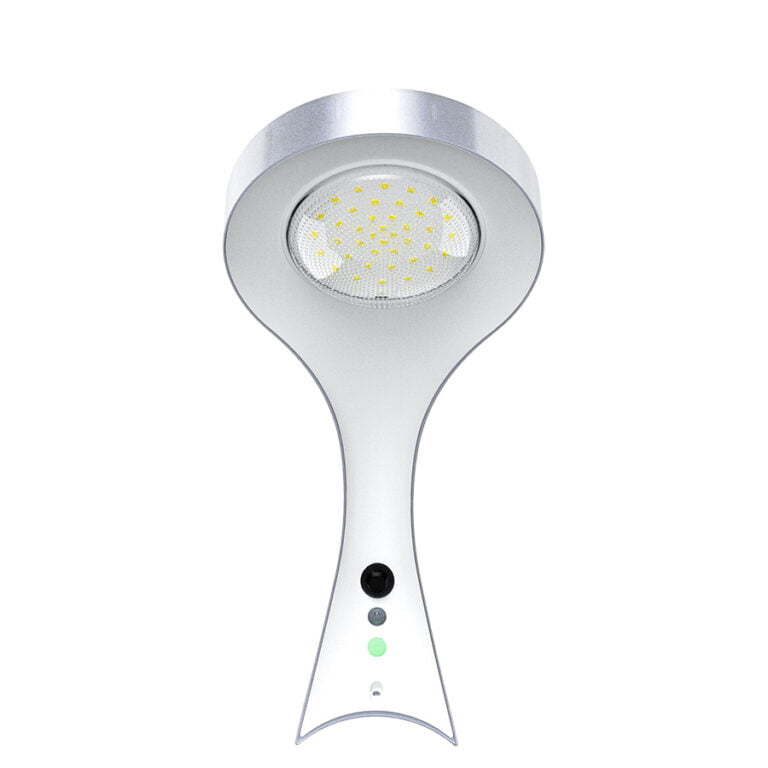
Commercial solar lights are standalone systems that consist of a photovoltaic panel, rechargeable battery, LED light source, and intelligent controller. During the day, the solar panel converts sunlight into electricity and stores it in the battery. At night, the controller automatically powers the LED light, providing illumination from dusk to dawn. Advanced controllers enable features like motion sensing, dimming schedules, and remote monitoring, further optimizing energy use.
These systems are designed for a wide range of commercial environments: parking lots, loading docks, building perimeters, parks, campuses, and construction sites. They eliminate the need for trenching, wiring, and grid connection, reducing installation complexity and environmental disruption.
Aligning Solar Lighting with Key Sustainability Goals
Reducing Carbon Emissions
Every kilowatt-hour of electricity generated by solar panels replaces one that would otherwise come from the grid. For a typical commercial parking lot with 20 lights operating 12 hours per night, switching to solar can save approximately 10,000 kWh annually, translating to several tons of CO₂ avoided. This directly supports corporate net-zero commitments and carbon reduction targets.
Enhancing Energy Efficiency
Solar lights use LED technology, which consumes up to 80% less energy than traditional lighting. Combined with intelligent controls, they can further reduce energy consumption by adjusting brightness based on occupancy or time of night. This efficiency maximizes the use of stored solar energy and extends battery life.
Supporting Renewable Energy Use
Companies aiming to source 100% renewable energy can integrate solar lighting as part of their on-site generation portfolio. While solar panels on rooftops are common, solar lighting represents a distributed, low-barrier entry point for renewable energy adoption. It also powers critical nighttime applications without drawing from the grid.
Minimizing Environmental Impact
Solar lighting installation involves minimal excavation and no electrical infrastructure, preserving landscapes and reducing habitat disruption. Components are often recyclable, and modern batteries (e.g., LiFePO₄) have longer lifespans and fewer toxic materials. This aligns with circular economy principles.
Case Example: Hangchi New Energy Co., Ltd.
To illustrate how commercial solar lighting supports sustainability goals, consider the offerings of Hangchi New Energy Co., Ltd. (abbreviated as HANGCHI). Established in 2018, HANGCHI is a professional solar lighting manufacturer with a 20,000-square-meter facility and a monthly production capacity of up to 20,000 units. The company specializes in research, development, and global supply of reliable solar lighting products for distributors, wholesalers, importers, contractors, brand owners, and project developers worldwide.
HANGCHI’s Commitment to Quality and Sustainability
HANGCHI’s product portfolio includes all-in-one solar street lights, split-type solar street lights, solar flood lights, solar garden lights, solar wall lights, and customized outdoor solar lighting solutions. These products are widely used for municipal roads, rural roads, residential communities, industrial parks, parking lots, schools, public spaces, commercial facilities, and remote off-grid areas. By using renewable solar energy, HANGCHI’s lighting solutions help customers reduce electricity consumption, avoid complicated cabling work, and lower long-term operating and maintenance costs.
Quality is one of HANGCHI’s most important commitments. The company maintains strict quality control throughout raw material inspection, production, assembly, waterproof testing, aging testing, performance testing, packaging, and shipment. HANGCHI has obtained CE, RoHS, and ISO 9001 certifications, demonstrating commitment to international quality and management standards. Depending on the product and project requirements, they provide warranties of five years or more, helping customers reduce maintenance costs and protect their long-term investment.
International Project Experience
HANGCHI products are exported to more than 30 countries and regions, with extensive project experience in Europe, the Philippines, Africa, North America, Australia, and other markets. This international experience enables the company to understand different technical standards, environmental conditions, purchasing processes, and customer expectations. Such expertise allows HANGCHI to recommend suitable lighting configurations according to local sunlight conditions, installation height, road width, operating time, weather conditions, and project budgets—ensuring optimal sustainability and performance.
Practical Steps to Integrate Solar Lighting into Sustainability Plans
To leverage commercial solar lighting for sustainability, companies should follow a structured approach:
- Conduct an Energy Audit: Identify all outdoor lighting points and calculate current energy consumption and associated emissions.
- Set Measurable Targets: Align solar lighting projects with specific ESG goals, such as reducing scope 2 emissions by X% or replacing Y% of grid-connected lights with renewables.
- Select Reliable Partners: Choose manufacturers like HANGCHI that offer proven quality, customization (OEM/ODM), and long warranties. Flexible customization options include product appearance, lighting power, battery capacity, solar panel specifications, control functions, logos, packaging, and other technical details.
- Optimize System Design: Work with engineers to ensure the solar lighting system is appropriately sized for local solar insolation, required autonomy (cloudy days), and lighting requirements.
- Monitor and Report: Use intelligent controllers with remote monitoring capabilities to track energy savings and emission reductions, and include these results in annual sustainability reports.

Benefits Beyond Sustainability
Commercial solar lights offer additional advantages that reinforce their business case:
| Cost Savings | Elimination of electricity bills and reduced maintenance (no bulb replacements, no wiring repairs) can yield payback periods of 2–4 years. |
| Resilience | Solar lights operate independently of the grid, providing illumination during power outages—critical for security and safety. |
| Ease of Installation | No trenching or electrical permits required; installation can be completed in hours, minimizing operational disruption. |
| Enhanced Brand Image | Visible solar installations signal a company’s commitment to sustainability to employees, customers, and the community. |
Conclusion
Commercial solar lights are a powerful, practical tool for advancing corporate sustainability goals. They reduce carbon emissions, lower energy consumption, support renewable energy adoption, and minimize environmental impact. With reliable manufacturers like Hangchi New Energy Co., Ltd. offering high-quality, customizable solutions backed by international experience and strict quality control, businesses can confidently transition to solar lighting. HANGCHI’s business philosophy is based on quality, integrity, innovation, and long-term cooperation. The company believes that a successful partnership requires more than competitive pricing—it also depends on stable product performance, transparent communication, dependable delivery, responsive service, and continuous technical support. Looking ahead, HANGCHI will continue investing in product innovation, intelligent solar lighting technology, production efficiency, and global market development. By integrating solar lighting into their sustainability strategies, companies not only meet ESG targets but also enjoy financial and operational benefits—illuminating a path toward a brighter, greener future.
Summary
Corporate sustainability goals increasingly require tangible actions to reduce environmental impact. Commercial solar lighting offers a direct solution by replacing grid-connected lights with solar-powered LEDs that cut carbon emissions, lower energy costs, and enhance resilience. Manufacturers like Hangchi New Energy Co., Ltd. (HANGCHI) provide high-quality, customizable products with international certifications and long warranties. HANGCHI’s 20,000-square-meter facility and monthly capacity of 20,000 units ensure reliable supply for global projects. Flexible OEM/ODM services allow customers to tailor lighting power, battery capacity, and design to specific needs. Proven in over 30 countries, HANGCHI’s solar lights support sustainability through reduced energy consumption and minimal environmental disruption. By adopting commercial solar lighting, companies can make measurable progress toward net-zero emissions, energy efficiency, and renewable energy goals while benefiting from long-term cost savings and enhanced brand reputation.
