 Skip to content

As outdoor lighting technology continues to evolve, solar-powered solutions are becoming the preferred choice for both residential and commercial users. Among these, the solar power flood light and solar panel flood light are leading the way in sustainable, efficient illumination. HANGCHI Solar New Energy Co., Ltd (abbreviated as HANGCHI) stands at the forefront of this industry, designing and manufacturing advanced solar lighting products built for durability and performance. In this guide, we share expert maintenance tips to ensure your HANGCHI solar flood lights deliver reliable service for years to come.
Understanding Solar Flood Lights: The Basics
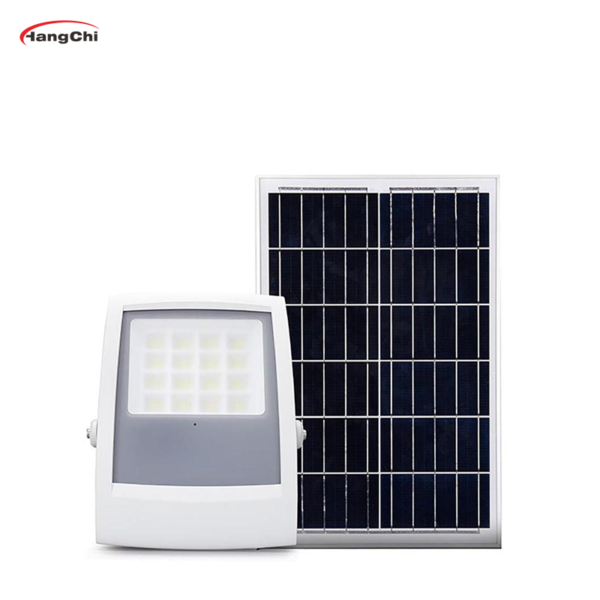
Solar flood lights harness the sun’s energy through photovoltaic panels, converting it into electricity that powers high-intensity LEDs. This process not only reduces energy costs but also minimizes environmental impact. HANGCHI’s solar power flood light models are engineered for maximum efficiency, utilizing high-grade solar panels, intelligent controllers, and robust batteries. These systems are designed to operate autonomously, providing bright illumination for outdoor spaces, security, and landscape enhancement.
However, like any outdoor installation, solar flood lights are exposed to varying weather conditions, dust, debris, and occasional mechanical stress. Proper maintenance is essential to keep them performing at their best.
Why Maintenance Matters for Solar Flood Lights
Routine maintenance of your solar panel flood light ensures:
- Consistent brightness and illumination coverage
- Optimal battery charging and longer battery life
- Prevention of system failures or costly repairs
- Protection of your investment
HANGCHI emphasizes that regular inspection and simple upkeep can extend the lifespan of solar lighting systems, making them an even more cost-effective and eco-friendly solution.
Essential Maintenance Tips from HANGCHI
1. Keep the Solar Panels Clean
The efficiency of a solar power flood light depends largely on the cleanliness of its solar panels. Dust, bird droppings, leaves, and other debris can block sunlight and reduce charging capacity. HANGCHI recommends cleaning the panels at least once a month using a soft cloth or sponge with mild soapy water. Avoid abrasive materials that can scratch the panel surface.
2. Inspect for Physical Damage
Regularly check the entire fixture, including the mounting brackets, LED housing, and wiring. Look for cracks, loose connections, or signs of water ingress. Early detection of damage allows for timely repairs, preventing further issues. HANGCHI’s solar flood lights are designed with weather-resistant materials, but periodic inspection is still crucial, especially after storms or heavy winds.
3. Monitor Battery Health
High-quality batteries are at the heart of every solar panel flood light. Over time, battery performance may decline due to repeated charging cycles. HANGCHI suggests checking the run time and brightness of your lights; significant drops may indicate the need for battery replacement. Most batteries last 2-5 years, depending on usage and environmental conditions.
4. Adjust Panel Angles Seasonally
Solar panels capture the most energy when positioned directly toward the sun. Depending on your geographic location, the optimal tilt angle may change with the seasons. HANGCHI’s adjustable mounting brackets make it easy to reposition panels for maximum efficiency throughout the year.
5. Ensure Unobstructed Sunlight
Trim back trees, shrubs, or any objects that may cast shadows on the solar panel during daylight hours. Even partial shading can significantly reduce charging efficiency and affect nighttime performance.
Industry Insights: Trends and Innovations in Solar Flood Lighting
The global shift towards renewable energy has propelled the adoption of solar lighting in public infrastructure, commercial spaces, and private properties. According to recent market studies, the demand for solar power flood light systems is projected to grow rapidly over the next decade, driven by advancements in LED technology, battery storage, and intelligent lighting controls.
HANGCHI remains committed to innovation, integrating features such as motion sensors, remote controls, and smart connectivity into their latest solar panel flood light models. These enhancements not only improve user convenience but also optimize energy consumption, further reducing the carbon footprint.
Key Industry Developments:
- Adoption of lithium-ion and LiFePO4 batteries for longer life and faster charging
- Use of monocrystalline solar panels for higher conversion efficiency
- Integration of IoT-based monitoring and control systems
- Enhanced weatherproofing for extreme climates
As municipalities and businesses seek sustainable ways to enhance security and visibility, solar flood lights are increasingly being installed in parks, parking lots, warehouses, and construction sites. HANGCHI’s robust product lineup addresses these diverse needs while maintaining a focus on reliability and ease of maintenance.
Frequently Asked Questions
| Question | Answer |
|---|---|
| How often should I clean my solar panels? | At least once a month, or more frequently in dusty environments. |
| What should I do if my solar flood light isn’t turning on? | Check the panel for cleanliness, inspect the battery, and ensure there are no obstructions blocking sunlight. |
| Can I replace the battery myself? | Yes, most HANGCHI models allow for easy battery replacement. Refer to the user manual for specific instructions. |
Conclusion: Maximize Your Solar Investment with Proper Care
Investing in a quality solar power flood light from HANGCHI Solar New Energy Co., Ltd ensures years of dependable, eco-friendly lighting. By following these straightforward maintenance tips, you can protect your investment and enjoy bright, efficient illumination every night. As the solar lighting industry continues to innovate, HANGCHI remains your trusted partner in sustainable outdoor lighting solutions.
For more information, product support, or to explore the latest advancements in solar flood lighting, visit HANGCHI’s official website or contact their expert team today.
