

Solar lights typically last between 1 to 10+ years, with the battery being the most replaceable component. Key factors include component quality, environmental conditions, usage patterns, and maintenance. High-quality products from manufacturers like Hangchi New Energy Co., Ltd. (HANGCHI) can achieve lifespans of 5-10 years or more due to rigorous testing, intelligent battery management, efficient solar panels, and durable construction. HANGCHI’s 20,000-square-meter factory, monthly capacity of 20,000 units, and certifications (CE, RoHS, ISO 9001) ensure consistent quality. Their products, including all-in-one street lights and flood lights, come with warranties of five years or more, reflecting confidence in longevity. To maximize lifespan, install in direct sunlight, clean panels regularly, and choose reputable brands. Signs of replacement include dimming, shorter runtime, or physical damage. With proper care, solar lights can be a cost-effective, long-term lighting solution.
Solar lighting has become a popular choice for outdoor illumination due to its energy efficiency, low maintenance, and environmental benefits. However, one of the most common questions among buyers is: how long do solar lights actually last before needing replacement? The answer is not straightforward, as it depends on multiple factors including component quality, usage patterns, environmental conditions, and maintenance. In this comprehensive guide, we will explore the typical lifespan of solar lights, the factors that influence longevity, and what you can expect from high-quality products like those manufactured by Hangchi New Energy Co., Ltd. (HANGCHI).
Understanding Solar Light Components and Their Lifespans
A solar light system consists of several key components: solar panels, batteries, LED lights, a controller, and sometimes sensors. Each component has a different lifespan, and the overall system’s longevity is determined by the weakest link. Let’s break down each part.
Solar Panels
Solar panels are designed to last 20 to 30 years, as they have no moving parts and degrade slowly. High-quality monocrystalline panels, often used by HANGCHI, can maintain over 80% efficiency after 25 years. The main degradation comes from exposure to UV radiation and temperature fluctuations. However, solar panels rarely fail completely; their power output gradually decreases.
Batteries
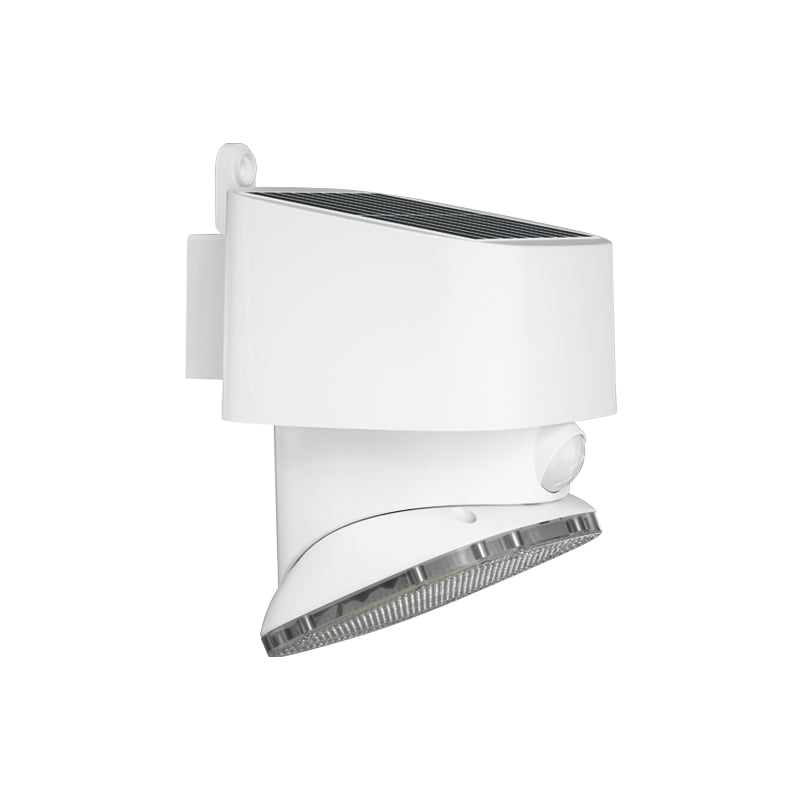
The battery is typically the component that needs replacement most frequently. For solar lights, common battery types include lead-acid, nickel-metal hydride (NiMH), and lithium-ion (including LiFePO4). Lead-acid batteries last 2-5 years, NiMH lasts 3-5 years, and lithium-ion batteries can last 5-10 years or more. HANGCHI uses high-quality lithium batteries with long cycle life, and their systems often come with warranties of five years or more, reflecting confidence in battery longevity.
LED Lights
LED bulbs are extremely durable, with a typical lifespan of 50,000 hours or more. For a solar light operating 10 hours per night, that equates to over 13.7 years. However, the LED driver or circuitry may fail earlier. In HANGCHI products, LEDs are selected for high lumen output and longevity, and the entire system is designed to protect the LEDs from voltage spikes.
Controller
The controller manages charging and discharging, and it can last 5-10 years depending on quality. HANGCHI employs intelligent controllers that optimize battery life and prevent overcharging or deep discharging, thereby extending the overall system lifespan.
Factors That Affect Solar Light Lifespan
Several external and internal factors determine how long your solar lights will perform effectively.
Quality of Components
Not all solar lights are created equal. Low-cost units often use inferior batteries (e.g., generic lead-acid) and inefficient solar panels that degrade quickly. In contrast, HANGCHI, as a professional solar lighting manufacturer established in 2018, operates a 20,000-square-meter manufacturing facility with a monthly production capacity of up to 20,000 units. They maintain strict quality control throughout raw material inspection, production, assembly, waterproof testing, aging testing, performance testing, packaging, and shipment. Their products comply with CE, RoHS, and ISO 9001 certifications, ensuring consistent quality. This attention to detail significantly extends product lifespan.
Environmental Conditions
Solar lights exposed to extreme temperatures, high humidity, salt spray (near coasts), or heavy dust may have reduced lifespans. Waterproofing is crucial. HANGCHI conducts waterproof testing on all products, and their international project experience includes supplying to more than 30 countries and regions, including Europe, the Philippines, Africa, North America, Australia, and other markets, where they’ve adapted to various climates. For example, in coastal areas, they recommend corrosion-resistant materials.
Usage Patterns
How long the light operates each night and how many consecutive cloudy days it must endure affect battery cycle life. A system that runs for 12 hours every night will deplete battery cycles faster than one running 8 hours. HANGCHI’s intelligent controllers can adjust brightness based on battery level, extending battery life during poor weather.
Maintenance
Regular cleaning of solar panels and checking for any obstructions can maximize performance. Dust and dirt can reduce solar charging efficiency by 20-30%, causing batteries to deep discharge more frequently, which shortens their lifespan. HANGCHI’s products are designed for low maintenance, but periodic cleaning is recommended.
Typical Lifespan of Solar Light Systems
Given the variabilities, here is a realistic timeline:
- Budget solar lights (low-end): 1-2 years before batteries fail or LEDs dim significantly.
- Mid-range solar lights: 3-5 years with minor repairs (e.g., battery replacement).
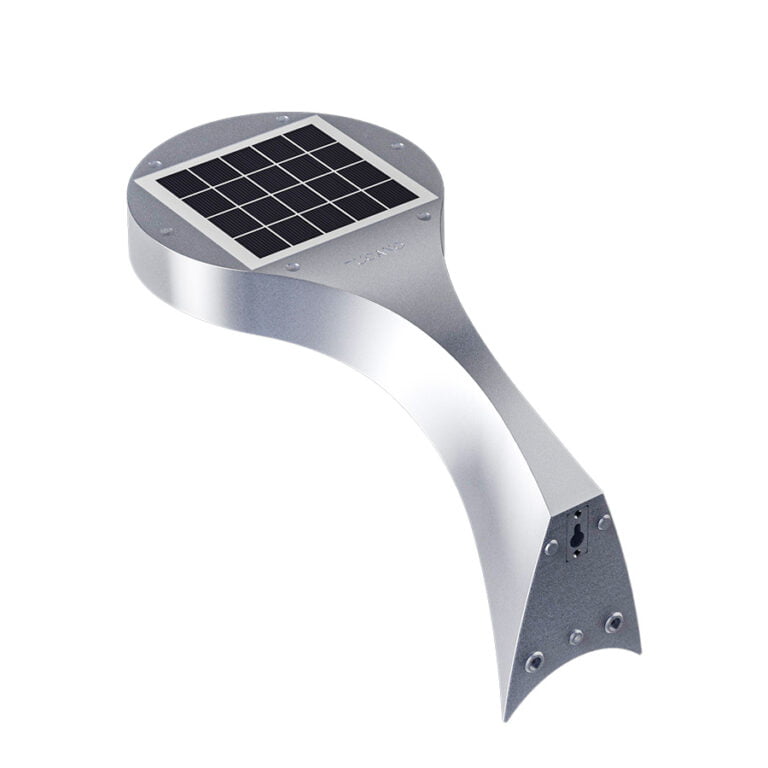
- High-quality solar lights (like HANGCHI): 5-10 years or more for the entire system, with battery replacement possibly needed after 5-7 years. The solar panel and LEDs may last 15-20 years.
HANGCHI provides warranties of five years or more, depending on the product and project agreement, which underscores their confidence in product longevity. For instance, their all-in-one solar street lights, split-type solar street lights, solar flood lights, solar garden lights, and solar wall lights are all built to deliver reliable performance over extended periods.
How HANGCHI Ensures Longevity
HANGCHI’s commitment to quality directly impacts how long their solar lights last. Let’s look at specific practices:
Rigorous Testing
Each product undergoes aging testing, waterproof testing, and performance testing before shipment. This ensures that only units meeting strict standards reach customers, reducing early failures.
Smart Battery Management
HANGCHI uses intelligent controllers that prevent overcharging, over-discharging, and overheating. For lithium batteries, these controllers balance cells, maximizing cycle life. This is crucial for achieving the 5+ year warranty.
High-Efficiency Solar Panels
They use monocrystalline or polycrystalline panels with high conversion efficiency, which charge the battery faster and reduce the time batteries spend in deep discharge state. This prolongs battery health.
Durable Construction
The housing is often made from die-cast aluminum or ABS with UV-resistant coatings. Gaskets and sealants ensure IP65 or higher waterproof ratings, protecting electronics from moisture and dust.
Customization for Local Conditions
HANGCHI’s engineering team recommends suitable lighting configurations according to local sunlight conditions, installation height, road width, operating time, weather conditions, and project budgets. This tailored approach prevents overworking the system, thereby extending lifespan.
Signs Your Solar Lights Need Replacement
Even with the best products, eventually components wear out. Signs include:
- Dim lighting: Even after a full day of sun, the light output is lower than usual.
- Shorter operation time: Lights turn off earlier than they used to.
- No illumination: The light does not turn on at night.
- Physical damage: Cracked panels, corroded battery terminals, or water ingress.
- Battery swelling or leaking: This is a safety hazard and requires immediate replacement.
When these signs appear, it’s often more economical to replace the entire unit rather than just components, especially if the system is older than 5 years. However, for HANGCHI’s modular systems like split-type street lights, individual components (e.g., battery, controller) can be replaced easily, extending overall life.
Maximizing the Lifespan of Solar Lights
To get the most out of your investment, follow these tips:
- Install in an area with direct sunlight for at least 6-8 hours daily.
- Clean solar panels every few months with a damp cloth.
- Trim nearby vegetation to prevent shading.
- Use the light in moderate climates; if in extreme cold, choose lithium batteries with low-temperature performance.
- Select a reputable manufacturer like HANGCHI that offers warranties and after-sales support.
Conclusion
Solar lights can last anywhere from 1 to 10+ years depending on quality and care. High-quality products from manufacturers like HANGCHI, with their strict quality control, intelligent controllers, and robust construction, can easily exceed 5 years and often reach 8-10 years with basic maintenance. The initial investment in a reliable solar light pays off through reduced replacement costs and sustained performance. For businesses and project developers, partnering with a trusted manufacturer ensures that solar lighting installations deliver long-term value. HANGCHI’s global experience, with exports to over 30 countries and a monthly capacity of up to 20,000 units, positions them as a reliable partner for any solar lighting need.
In summary, when asking “how long do solar lights really last?” the answer is that with proper selection and care, they can last well over a decade. Choose wisely, and your solar lights will illuminate your spaces reliably for years to come.
About the author: This article was written based on industry research and insights from Hangchi New Energy Co., Ltd., a professional solar lighting manufacturer dedicated to innovation and quality.