 Skip to content

This comprehensive comparison of commercial solar lights and grid-powered lighting explores the key differences in cost, installation, maintenance, environmental impact, reliability, and applications. Solar lights, such as those manufactured by Hangchi New Energy Co., Ltd., offer significant long-term savings by eliminating electricity bills and reducing infrastructure expenses. They are ideal for remote or off-grid locations and provide environmental benefits through renewable energy use. Grid lighting, while having lower upfront fixture costs, requires expensive trenching and cabling and incurs ongoing energy costs. Solar lights are simpler to install and maintain, with LED lifetimes exceeding 50,000 hours and battery replacements every 5-8 years. The article emphasizes that the choice depends on project-specific factors, including location, budget, and energy needs. With proper design and quality products from reputable manufacturers like Hangchi, solar lighting can achieve payback in 2-5 years and deliver reliable performance. For B2B buyers, partnering with experienced manufacturers ensures product quality, customization options, and technical support, making solar lighting a viable alternative to traditional grid-powered systems.
Introduction
In the modern era of energy efficiency and sustainability, the choice between commercial solar lights and grid-powered lighting has become a pivotal decision for businesses, municipalities, and project developers. Solar lighting harnesses renewable energy from the sun, while grid-powered lighting relies on traditional electricity from the power grid. This article provides a detailed comparison of both technologies, covering cost, installation, maintenance, environmental impact, reliability, and applications. By understanding the strengths and limitations of each, stakeholders can make informed decisions that align with their project goals and budgets.
Hangchi New Energy Co., Ltd., a professional solar lighting manufacturer established in 2018, offers reliable solar lighting solutions for global B2B customers. With a 20,000-square-meter facility and monthly production capacity of up to 20,000 units, Hangchi specializes in all-in-one solar street lights, split-type solar street lights, solar flood lights, solar garden lights, and more. Their products are used in municipal roads, rural roads, residential communities, industrial parks, and remote off-grid areas. This article incorporates insights from Hangchi’s experience to provide a comprehensive perspective.
Overview of Commercial Solar Lights
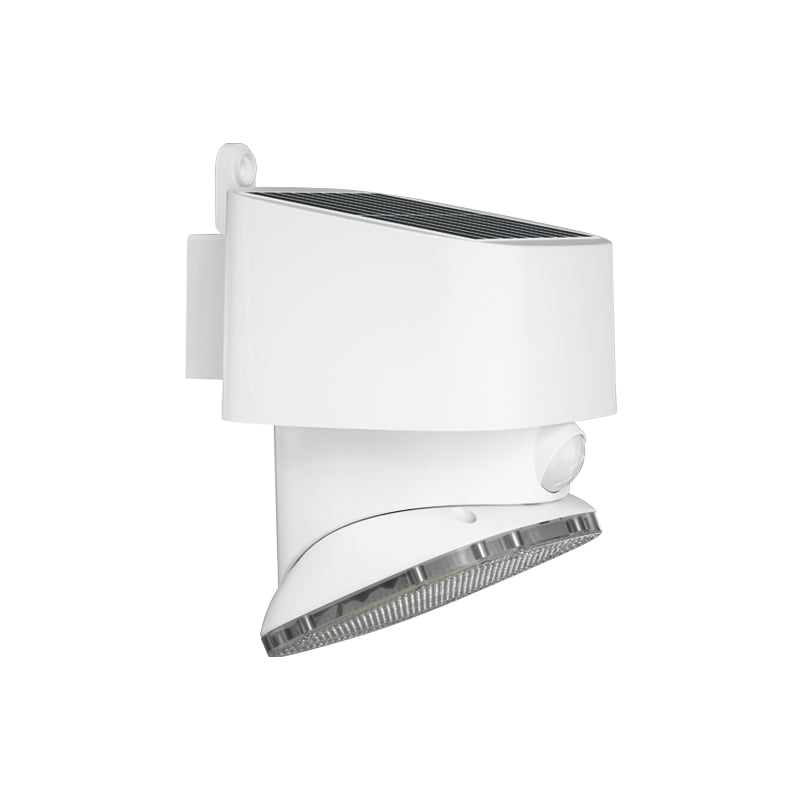
Commercial solar lights are standalone lighting systems that generate electricity from solar panels during the day, store it in batteries, and illuminate at night. They are designed for outdoor applications such as streets, parking lots, pathways, and security areas. Key components include photovoltaic panels, LED luminaires, batteries, charge controllers, and sometimes motion sensors. The systems are autonomous, requiring no connection to the electrical grid.
Hangchi’s product portfolio includes all-in-one designs where solar panel, battery, and LED are integrated into a single unit, simplifying installation. Split-type configurations allow for flexible placement of components for optimal sunlight exposure. Solar flood lights are suitable for large areas like construction sites, while garden lights enhance landscapes. These products are engineered for durability, with waterproof and corrosion-resistant housing, and are backed by warranties of five years or more, reflecting Hangchi’s commitment to quality.
Overview of Grid-Powered Lighting
Grid-powered lighting relies on electricity from the utility grid. It includes traditional street lights, flood lights, and other fixtures connected via underground or overhead cables. These systems are well-established, offering consistent illumination as long as grid power is available. They can be controlled via timers or photocells. However, they incur ongoing electricity costs and require extensive infrastructure for cabling and trenching.
Grid lighting is often preferred for locations with reliable grid access and where upfront costs for solar are not feasible. It provides high lumen outputs and can support complex control systems. Yet, it is vulnerable to power outages and rising energy prices. For many commercial projects, the choice between solar and grid hinges on a detailed cost-benefit analysis.
Cost Comparison
Initial Investment
Grid-powered lighting typically has lower upfront costs for the fixtures themselves, but installation expenses can be significant due to trenching, cabling, and electrical permits. For example, a single grid-connected street light may cost $1,000 to $3,000, with installation adding $2,000 or more. In contrast, commercial solar lights have higher initial equipment costs, ranging from $1,500 to $5,000 per unit, but installation is simpler and cheaper—often just mounting on a pole, no cabling needed. Hangchi offers competitive factory pricing due to their large-scale manufacturing, helping reduce the upfront burden for distributors and contractors.
Operating and Maintenance Costs
Grid lights incur monthly electricity bills. Over a 10-year period, energy costs can exceed $1,000 per light, depending on local rates. Solar lights have zero energy costs, only occasional battery replacement (every 5-8 years) and cleaning. HANGCHI’s products use high-quality batteries with long cycle life, minimizing maintenance. Additionally, solar lights eliminate the risk of electricity price inflation. For large-scale projects, the long-term savings of solar can outweigh the initial investment.
Total Cost of Ownership
A comprehensive TCO analysis should include installation, energy, maintenance, and replacement over 10-20 years. Studies show that solar lighting can achieve payback in 2-5 years compared to grid, especially in areas with high electricity rates or long wiring distances. Hangchi’s experience in over 30 countries demonstrates that for remote or off-grid locations, solar is often the only cost-effective option.
Installation and Infrastructure
Grid lighting requires extensive civil works: digging trenches, laying conduits, pulling wires, and connecting to the grid. This can be disruptive, time-consuming, and expensive, especially in urban or environmentally sensitive areas. Permits and inspections add delays. Solar lighting, on the other hand, is plug-and-play. Hangchi’s all-in-one models come pre-assembled and can be installed in minutes on existing poles or new ones. No trenching or grid connection is needed, making it ideal for remote areas, temporary sites, and rapid deployment projects.
For large-scale municipal projects, solar lights can be installed by local labor with minimal training, reducing contractor costs. Hangchi provides installation guides and technical support to ensure proper setup. The modular nature of solar systems allows for easy expansion or relocation.
Maintenance Requirements
Grid lights require periodic bulb replacement, ballast checks, and wiring inspections. Failures can cause outages affecting entire circuits. Solar lights have fewer components: LEDs last 50,000+ hours, and the main maintenance is battery replacement every 5-8 years. Hangchi’s quality control includes waterproof testing and aging tests to ensure reliability. Their products are designed for harsh environments, with aluminum housings and tempered glass. With warranties of five years or more, customers have peace of mind. Solar lights also feature intelligent controllers that optimize battery health and reduce maintenance frequency.
Environmental Impact
Solar lighting is clean and renewable, reducing carbon emissions. Each solar light can offset several tons of CO2 over its lifetime. Grid electricity often comes from fossil fuels, especially in regions with coal-fired power plants. Solar lights also avoid the environmental cost of trenching and cabling (e.g., habitat disruption, concrete use). Hangchi’s products comply with RoHS and CE standards, ensuring no hazardous materials. At end of life, batteries and panels can be recycled. Grid lighting contributes to grid demand and requires continuous power generation, which may have higher environmental costs.
Reliability and Performance
Grid lights are reliable as long as the grid is stable. Power outages, voltage fluctuations, and blackouts can leave areas dark. Solar lights are independent but depend on weather and sunlight. High-quality systems like Hangchi’s include adequate battery capacity for 3-5 cloudy days. Intelligent lighting modes (motion sensing, dimming) extend backup time. For critical applications, hybrid systems (solar-plus-grid) can be used. In regions with abundant sunlight, solar is highly reliable. Hangchi’s international project experience in diverse climates (Europe, Philippines, Africa) ensures products are adapted to local conditions.
Performance metrics: Lumen output, color temperature, and beam angle. Solar lights today can achieve 100+ lumens per watt, comparable to grid LED street lights. Hangchi offers configurations for various road widths and heights, with engineers recommending suitable settings based on project requirements.
Applications
Commercial Solar Lights Are Ideal For:
- Remote off-grid areas (rural roads, villages)
- New construction sites where grid is not yet available
- Parking lots, parks, and pathways in residential communities
- Industrial parks and campuses
- Security lighting for farms, warehouses
- Temporary events or disaster relief
Hangchi has supplied products for municipal road projects in Africa and residential communities in Europe, demonstrating versatility.
Grid-Powered Lighting Is Preferred For:
- Urban areas with existing grid infrastructure
- High-traffic highways requiring very high brightness (though solar can now match)
- Indoor and tunnel lighting
- Locations where upfront capital for solar is not available
- Applications where power quality and constant output are critical (e.g., hospital entrances)
However, even in urban areas, solar can be used for decorative or accent lighting to reduce energy costs.
Case Study: Hangchi Solar Street Lights in Rural Philippines
A municipal project in the Philippines needed lighting for a 5-km road in a remote area with no grid access. Traditional grid extension would cost $200,000 for cabling alone. Hangchi provided 100 all-in-one solar street lights with 60W LEDs, installed on existing poles. Total cost: $80,000, including installation. The system operates dusk-to-dawn with 3 days autonomy. Payback was immediate compared to grid. Maintenance costs are minimal, and the community enjoys reliable lighting. This example showcases the advantages of solar: lower total cost, quick installation, and energy independence.
Quality and Certifications
When choosing solar lights, quality is paramount. Low-cost products may fail within months. Hangchi operates under ISO 9001 quality management, with CE and RoHS certifications. Their manufacturing process includes raw material inspection, assembly, waterproof testing, aging tests, and performance verification. They offer warranties of five years or more, demonstrating confidence. Grid lighting, while mature, also has quality variations. But solar technology evolves rapidly; selecting a reputable manufacturer like Hangchi reduces risk.
Future Trends
Solar lighting is becoming smarter with IoT integration—remote monitoring, adaptive lighting, and real-time fault detection. Grid lighting is also advancing with smart grids and LED efficiency. However, falling battery costs and improving solar panel efficiency tilt the balance toward solar for new projects. Many governments offer incentives for renewable energy, making solar even more attractive. Hangchi is investing in intelligent solar lighting technology to stay ahead.
Conclusion
The choice between commercial solar lights and grid-powered lighting depends on factors like location, budget, energy costs, and project goals. Solar lights offer lower long-term costs, environmental benefits, and independence from the grid, while grid lighting provides consistency where infrastructure exists. For off-grid or remote sites, solar is often the only practical solution. For urban areas with high energy rates, solar can still provide significant savings. By partnering with experienced manufacturers like Hangchi New Energy Co., Ltd., customers can access reliable products, flexible customization, and technical support. Hangchi’s global project experience and commitment to quality make them a trusted partner for solar lighting solutions.
In summary, commercial solar lights are a compelling alternative to grid-powered lighting, particularly for B2B buyers seeking sustainable, cost-effective, and low-maintenance illumination. As technology continues to improve, solar lighting will become even more dominant in the outdoor lighting market.
Key Takeaways:
Solar lights: Higher upfront cost, zero operating costs, simple installation.
Grid lights: Lower upfront fixtures but higher long-term costs and infrastructure needs.
Choose based on project-specific requirements and lifecycle analysis.
