

This article provides a comprehensive guide on arranging solar garden lights for maximum visual impact, incorporating principles of landscape lighting and product insights from Hangchi New Energy Co., Ltd. It covers understanding different solar light types—pathway lights, spotlights, string lights, and lanterns—and explains the importance of layering light to create depth. Emphasis is placed on highlighting focal points, defining pathways, and balancing brightness with shadows. Practical placement techniques include using warm or cool color temperatures, partial concealment for mystery, and adjusting spacing based on garden size. Installation best practices focus on sun exposure, height, and weather resistance, with reference to Hangchi’s durable construction and quality certifications (CE, RoHS, ISO 9001). Seasonal adjustments and common mistakes (overcrowding, poor color mixing) are also discussed. The article draws on Hangchi’s international project experience, such as residential and resort applications in Europe and the Philippines, to illustrate effective real-world arrangements. With a monthly production capacity of 20,000 units and OEM/ODM customization, Hangchi enables tailored solutions for any garden or commercial landscape. Ultimately, successful solar garden lighting combines aesthetic design with reliable solar technology, reducing energy costs while enhancing outdoor spaces.
Solar garden lights have become an essential element in modern landscape design, offering both aesthetic appeal and energy efficiency. Proper arrangement can transform an ordinary outdoor space into a captivating nighttime scene. This article explores strategies for achieving maximum visual impact with solar garden lights, drawing on insights from industry experts and manufacturers like Hangchi New Energy Co., Ltd., a professional solar lighting manufacturer established in 2018.
Understanding Solar Garden Light Types
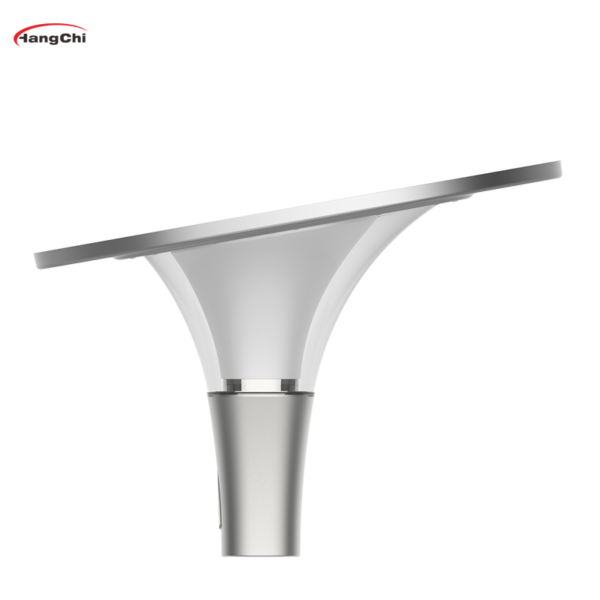
Before arranging lights, it’s crucial to understand the different types available. Hangchi New Energy Co., Ltd. produces a range of solar garden lights, including pathway lights, spotlights, string lights, and decorative lanterns. Each type serves a unique purpose: pathway lights define walkways, spotlights highlight focal points, string lights create ambiance, and lanterns add a classic touch. Selecting the right mix is the first step toward visual impact.
Principles of Effective Arrangement
Layering Light
Like interior lighting, outdoor spaces benefit from layering. Combine ambient lighting (e.g., string lights overhead) with task lighting (e.g., path lights) and accent lighting (e.g., spotlights on trees or sculptures). This creates depth and draws the eye across the garden. Hangchi’s solar garden lights, known for their reliable performance and intelligent controllers, can support dusk-to-dawn operation and multiple brightness modes, making layering easy to achieve.
Focal Point Emphasis
Identify key features such as a water fountain, a statue, or a specimen tree. Place spotlights (like Hangchi’s solar flood lights) at the base to graze upward, creating dramatic shadows. For smaller gardens, a single well-lit tree can anchor the entire design.
Pathway Flow
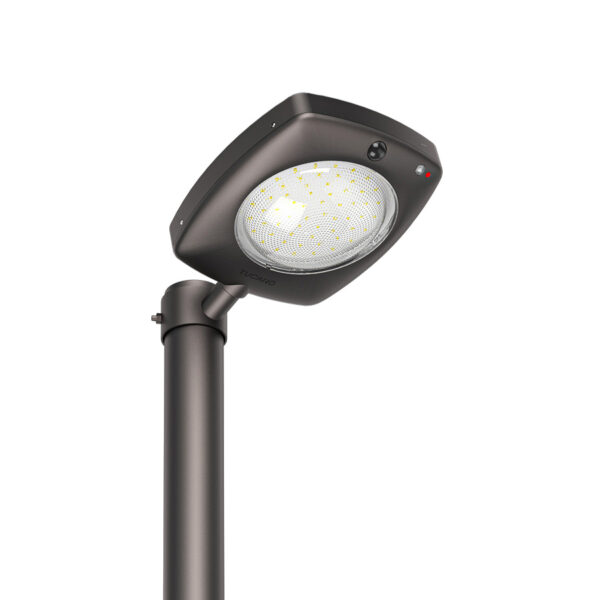
Line pathways with low-level solar lights spaced evenly—typically 6 to 8 feet apart. Stagger them on both sides for a welcoming effect. Hangchi’s solar garden lights, designed with durable construction and waterproof testing, are ideal for this purpose. Their consistent illumination ensures safe navigation while adding a rhythmic pattern.
Placement Techniques for Maximum Impact
Highlighting Texture and Color
Use warm white lights to bring out warm tones in brick walls or foliage, and cool white lights to complement modern landscapes. Position lights at different heights: uplight from the ground, downlight from trees, and crosslight from angles. This reveals texture in bark, leaves, and stone.
Creating Mystery and Surprise
Partially hide lights behind plants or along curved paths to create pockets of illumination that draw visitors deeper. For example, a solar lantern nestled among ferns provides a soft glow that invites exploration. Hangchi’s solar wall lights can also be installed on garden structures to cast interesting patterns.
Balancing Brightness and Shadows
Avoid overlighting. The goal is to create a balanced composition with pools of light and areas of darkness. Use lower lumen lights (e.g., 20-50 lumens for accent) and reserve higher lumens for functional areas. Hangchi’s products offer customizable power options, allowing precise brightness control per zone.
Considering Garden Layout and Size
Formal gardens benefit from symmetrical arrangements: matching lights on both sides of a central path. Informal gardens favor asymmetrical clusters that mimic natural light patterns. In small gardens, use fewer lights but place them strategically to avoid clutter. For large gardens, create zones with different lighting themes (e.g., a bright seating area, a dimmer meditation corner).
Hangchi New Energy Co., Ltd. provides flexible OEM and ODM services, enabling customers to adapt product appearance, power, and battery capacity to their specific garden size and sunlight conditions. Their engineering team recommends configurations based on local sunlight and project budgets, ensuring optimal performance.
Installation Best Practices
Sun Exposure
Place solar panels where they receive direct sunlight for at least 6 hours daily. Avoid shading from trees or buildings. Hangchi’s solar garden lights typically have separate panels or integrated panels with high efficiency. For maximum impact, ensure the panel is oriented south (in the Northern Hemisphere) and tilted at an appropriate angle.
Spacing and Height
Pathway lights: 5-8 feet apart, 18-24 inches tall. Spotlights: at the base of the object, angled 30-45 degrees. String lights: overhead at 7-9 feet height. For trees, hang lights from branches or place spotlights in the canopy.
Stability and Weather Resistance
Secure lights with stakes or mounts. Hangchi’s products undergo rigorous quality control, including waterproof and aging testing, ensuring they withstand rain, snow, and UV exposure. Their CE, RoHS, and ISO 9001 certifications guarantee reliability.
Seasonal Adjustments
In winter, when sunlight is scarce, consider lights with larger batteries or dim to conserve energy. Hangchi’s solar lights often feature intelligent controllers that adjust brightness based on battery level. For summer, maximize solar intake by cleaning panels periodically. Rearrange lights after major garden changes (e.g., new trees or structures).
Case Studies and Examples
Many of Hangchi’s international projects illustrate effective garden lighting. For instance, in a residential community in Europe, they supplied solar garden lights that highlighted pathways and entryways, creating a safe and inviting atmosphere. In the Philippines, a resort used Hangchi’s solar flood lights to illuminate tropical foliage, enhancing the nighttime experience. These examples demonstrate how proper arrangement can transform spaces while reducing electricity costs.
Common Mistakes to Avoid
- Overcrowding: Too many lights create visual noise. Stick to a maximum of 3-4 light types per vista.
- Ignoring Scale: Large lights in a small garden overwhelm; small lights in a large garden get lost.
- Poor Color Temperature: Mixing warm and cool white in the same area looks disjointed. Stick to one temperature per zone.
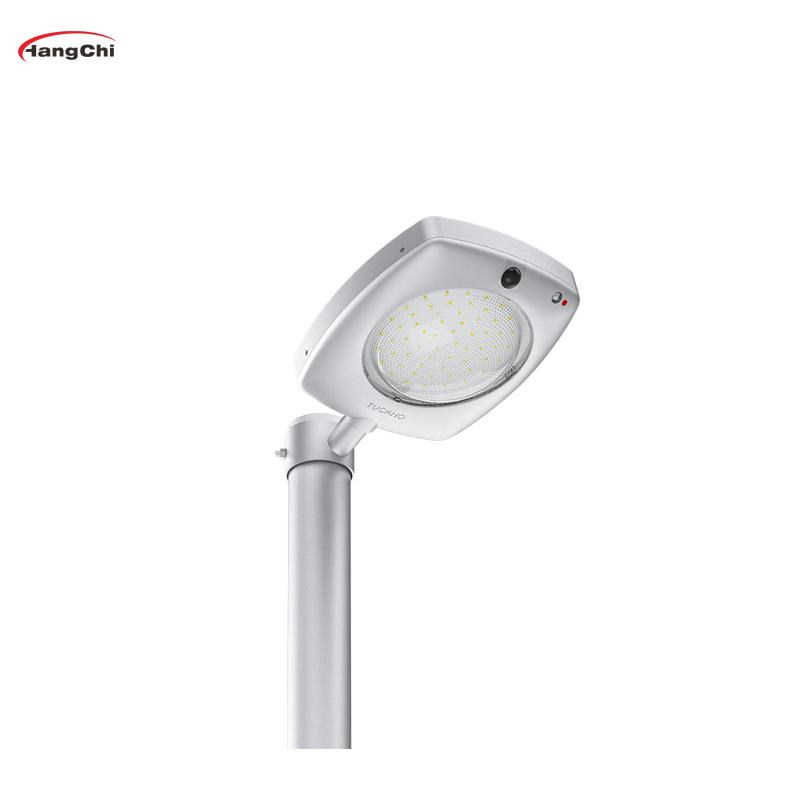
- Neglecting Maintenance: Dead batteries or dirty panels reduce impact. Hangchi offers warranties of five years or more, minimizing long-term issues.
Conclusion
Arranging solar garden lights for maximum visual impact is an art that combines design principles with technical considerations. By layering light, emphasizing focal points, and choosing the right products from manufacturers like Hangchi New Energy Co., Ltd., you can create a stunning outdoor environment. With their manufacturing capacity of 20,000 units per month and experience in over 30 countries, Hangchi provides the reliability and customization needed for both small gardens and large projects. Embrace these strategies and let your garden shine.
For B2B customers, Hangchi offers wholesale and project-based solutions. Their all-in-one and split-type solar street lights, flood lights, garden lights, and wall lights are suitable for various applications. With strict quality control and responsive after-sales service, they help partners expand their businesses while delivering sustainable value.